
Skip to content

Service 02

Full re-roofs

Re-roofing is what happens when patching has stopped being economics and started being a habit. It is also the only moment in a building's life when everything above the ceiling is visible and accessible, which makes it the one real chance to fix the battens, the insulation and the drainage that were never right to begin with.

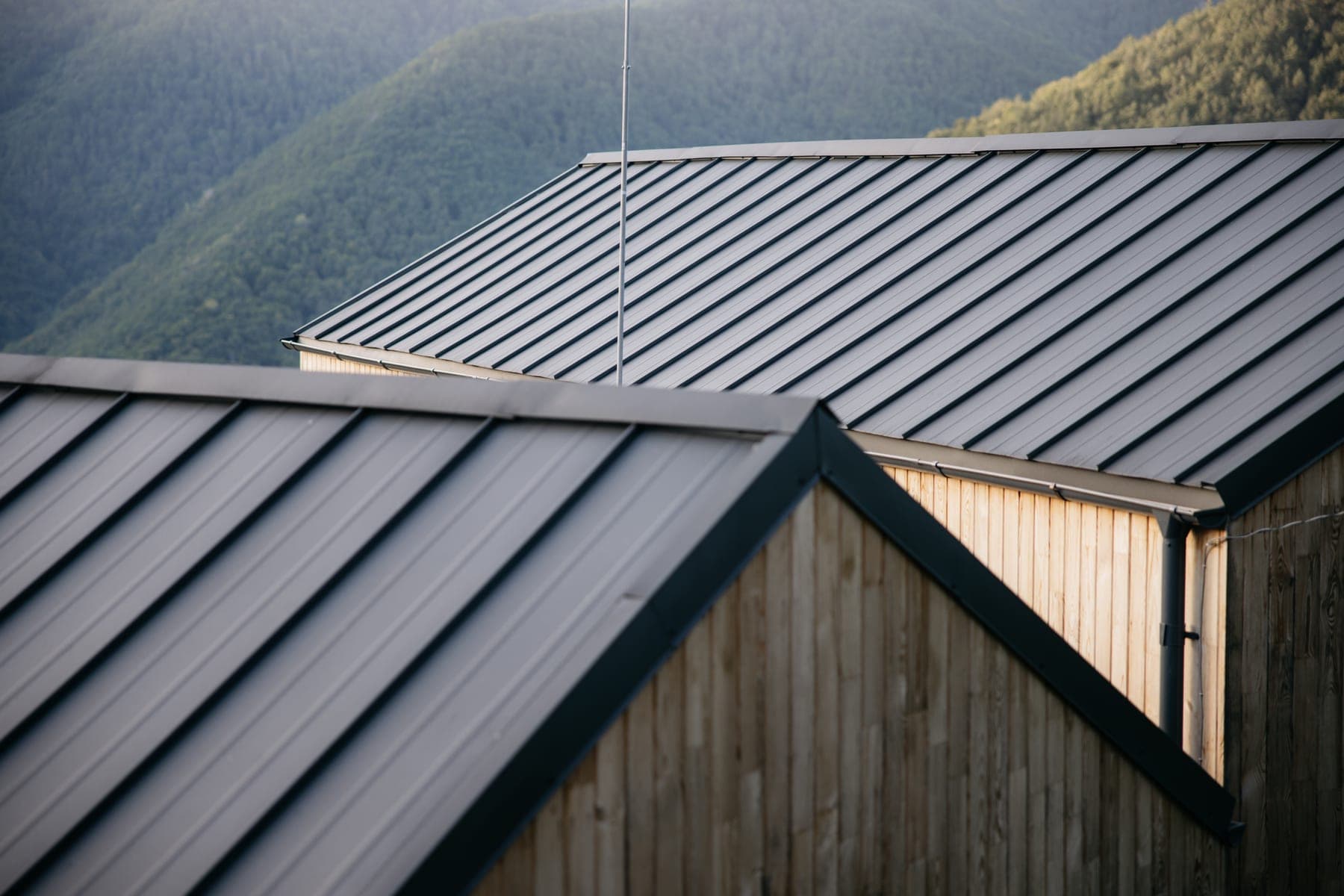
Completed standing seam metal roof on a house

Knowing when patching has stopped making sense

Isolated damage is a repair. The signals that say replacement are different: rust breaking out along the sheet laps and around the fasteners across the whole roof rather than in one spot, leaks that appear in a new place each winter, fasteners that have backed out and been re-driven so many times the holes have gone oval, or tiles that keep slipping because the battens beneath them have perished.

The honest test is cost over time. If the roof needs attention every twelve months and each visit costs real money, the patching is a subscription to a problem that is going to need solving anyway. If it needs attention once in five years, it is a repair.

Asbestos, and why the age of the building matters

Roofing and eaves sheeting installed before the late 1980s may contain asbestos. Corrugated fibre-cement roofing, the flat sheeting under eaves, and some old flues and vents are all common sources. It is not dangerous sitting still and undisturbed. It becomes dangerous the moment someone cuts, drills or breaks it, which is precisely what stripping a roof does.

On any building of that age the material needs to be identified before work starts, not discovered halfway through. Where it is present, removal is licensed work with its own controls and its own disposal requirements, and it has to be priced and scheduled as a separate stage. Anyone who offers to strip an old fibro roof without raising this is telling you something important about how they work.

Converting a tiled roof to metal

This is one of the more common jobs and it is usually straightforward, because metal is dramatically lighter than tile. A tiled roof might carry fifty kilograms per square metre; a metal roof is closer to five. The structure almost never objects to losing that much weight.

What does change is the batten layout. Tile battens sit at spacings set by the tile, and metal sheeting has its own span requirements, so the battens generally come off and go back on at new centres. That is also the point at which the sarking and insulation go in, which is a large part of why a converted roof performs so much better than the tiled one it replaced rather than merely looking different.

One thing worth being clear-eyed about: the roof line changes. Tiles have a chunky, shadowed profile and metal is crisp and flat. On some period homes that reads as a significant improvement and on others it does not, and heritage overlays may have a view of their own.

Keeping the building dry while its roof is off

The building is occupied and the weather does not care. Work is staged so only a manageable section is ever open, and each section is made weathertight before the crew leaves for the day. That is why re-roofs get rescheduled when a front is coming through, and why a contractor who is watching the forecast is doing you a favour rather than stalling.

It is also why the strip and the re-sheet happen in the same sequence rather than the whole roof coming off at once. It is slower on paper and considerably cheaper than a ceiling replacement.

What turns up once the old roof is off

Rotten or undersized battens, split rafters, previous repairs done badly, valleys that were never sized correctly, and framing that has been notched by another trade are all common finds. None of them are unusual and all of them are cheaper to fix while the roof is open than at any other point.

The way to handle that is to say so upfront. A quote that flags the likely finds as provisional items, with rates attached, is a quote you can trust. A quote that comes in low and clean and then arrives as a series of variations is not a better price, it is a worse conversation held later.

The job

What the work involves

Every property is different, so the quote is written against your building rather than off a package. Typically it covers:

  • 01Pre-start inspection and asbestos identification on older buildings
  • 02Removal and lawful disposal of existing tiles or sheeting
  • 03Inspection of battens, rafters and structural timbers
  • 04Replacement of rotten, split or undersized timber
  • 05New sarking, blanket and insulation upgrade
  • 06New sheeting, flashings, capping and valleys
  • 07New gutters and downpipes where required
  • 08Staged weather protection throughout
  • 09Provisional items priced upfront rather than raised as variations

Reference

Tiled roof weight
approx. 45–55 kg/m²
Metal roof weight
approx. 5 kg/m²
Asbestos risk era
pre-1990 construction
Typical suburban re-roof
staged over several days

On commercial buildings

Commercial re-roofing is usually a live-building problem before it is a roofing problem. Works get staged around trading hours, night and weekend access is common, and the programme has to account for tenants, stock, plant on the roof, and keeping the building watertight section by section throughout.

Commercial work

Common questions

Worth knowing before you book

Can I convert a tiled roof to metal?

Almost always. Metal is roughly a tenth of the weight of tile, so the structure is rarely the obstacle. The battens normally come off and go back at different centres to suit the sheeting, and that is when sarking and insulation get added properly.

Is my house exposed while the roof is off?

Only a section at a time, and it is made weathertight before the crew leaves each day. That staging is why re-roofs get moved when the forecast turns, and it is the reason a re-roof does not become a ceiling replacement.

How do I know if I need a re-roof or just repairs?

Damage in one place is a repair. Rust along the laps and fixings across the whole roof, leaks appearing somewhere new each winter, or tiles that keep slipping because the battens have gone, all say the system is at the end of its life and patching is money spent twice.

What about asbestos?

Anything built before about 1990 needs to be checked before work starts. Where it is present, removal is licensed work with its own controls and disposal requirements, priced and programmed as its own stage. It should be raised in the quote, not discovered on day two.

Will my insurance cover a re-roof?

Insurance covers sudden damage, not wear. A roof destroyed by a storm is generally a claim; a roof that has rusted out over twenty years generally is not. Where storm damage has accelerated an already tired roof, the line between the two is where the argument happens, and photographs and a written condition report are what settle it.

Next step

Get a quote for
full re-roofs

0427 809 652

We only use your details to reply about this job

Call nowFree quote