
Skip to content

Service 04

Roof repairs & maintenance

Leaks rarely start where the water appears. Water lands on the roof, gets in at a failed detail, then travels along a batten or a rafter, sometimes for metres, before it finds a low point and drops through the ceiling. Chasing the stain gets you nowhere. Finding the entry point is the whole job.

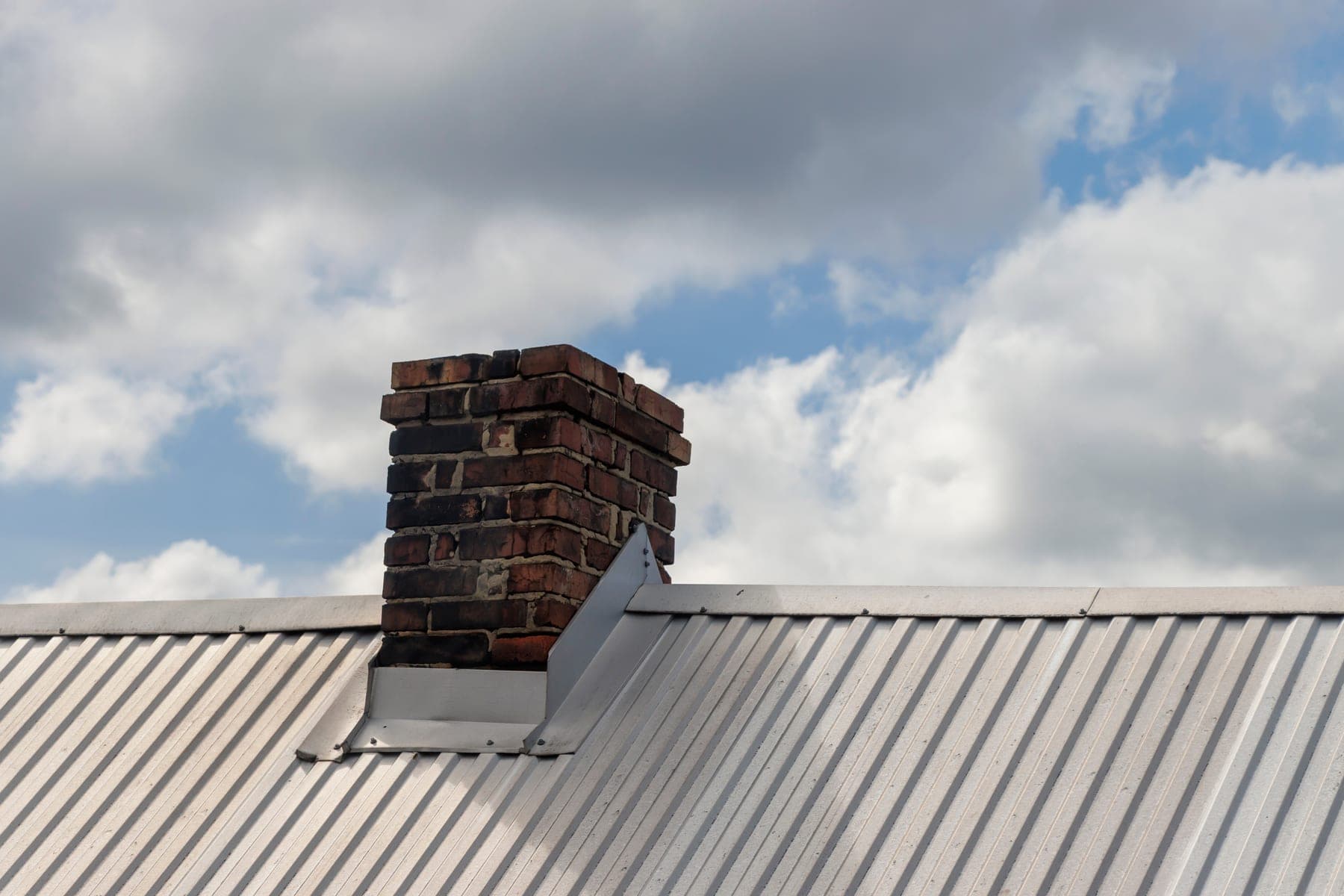
Chimney flashing on a metal roof

How a leak is actually traced

It starts from above, not below. The suspect area is worked out from the geometry of the roof space and the direction the water is travelling, then the roof is inspected at the details that fail: flashings, penetrations, valleys, laps, ridge capping and fasteners. Most leaks are at a junction, not in the field of a sheet.

Where it is not obvious, controlled water testing finds it. One section is wetted at a time, in sequence, starting low and working up, with someone watching inside. It is slow and it is conclusive, which is more than can be said for sealing the wettest looking spot and hoping.

The common culprits are consistent: ridge capping that has lifted, a flue or vent flashing whose seal has perished, a valley full of debris that is backing water up under the sheets, fasteners that have backed out and lost their washer compression, and box gutters or parapets that overflow inward. If a leak only shows in wind-driven rain, it is usually a lap or a flashing overlap that is fine under vertical rain and not under horizontal.

Rust: where it starts and what it means

Steel roofing does not rust evenly. It starts at cut edges, at sheet laps where moisture is held by capillary action, around fasteners where the coating has been broken, and anywhere debris sits and stays wet. That is why a roof can look sound from the ground and be finished when you get up to it.

The judgement is straightforward. Localised rust, typically around a penetration or in a valley, is a repair: cut out, treat, replace the affected section. Rust breaking out along laps and fixings across the whole roof means the coating has done its time, and further patching is spending money on a roof that needs replacing.

Painting over a rusting metal roof is worth being sceptical about. On a sound roof with early surface corrosion, correctly prepared and coated, it can buy real time. Sprayed over active rust and flaking coating without preparation, it is cosmetic, it lasts a season or two, and it makes the roof harder to assess afterwards.

Storm damage, make-safe and insurance

After a storm the first priority is making the building safe and watertight, which is a different job from repairing it. Temporary weatherproofing stops the damage compounding while the claim is sorted out, and insurers generally expect you to mitigate rather than let it run.

What helps a claim is evidence. Photographs of the damage taken safely from the ground, a written report describing what failed and how, and a clear separation between storm damage and pre-existing wear. That last distinction is where most disputes live, and it is far easier to argue with documentation than from memory.

The safety point is not a formality. After high wind, sheets can be lifted and held only by a few fasteners, and a lifted sheet edge will take fingers off. Stay on the ground and let someone with harness and anchor points deal with it.

Maintenance, and why it is cheaper than the alternative

Roofs fail at details, and details are inspectable. Clearing valleys and gutters before winter, checking and replacing perished fastener washers, resealing penetrations before the sealant fails rather than after, and treating early rust while it is still localised, are all inexpensive compared with the ceiling, insulation and cabinetry that a slow leak destroys.

On commercial buildings this becomes a scheduled programme with a written condition report each time, which also gives the owner something to hand an insurer or a prospective tenant. On houses it is generally an annual look, and more often under heavy tree cover.

The job

What the work involves

Every property is different, so the quote is written against your building rather than off a package. Typically it covers:

  • 01Leak investigation and entry point tracing, including water testing
  • 02Ridge capping, barge and flashing repairs
  • 03Resealing of flues, vents, skylights and penetrations
  • 04Rust treatment and localised sheet replacement
  • 05Replacement of failed or backed-out fasteners
  • 06Valley clearing, repair and replacement
  • 07Gutter and box gutter clearing
  • 08Storm damage make-safe and temporary weatherproofing
  • 09Written condition reports for insurance or maintenance records

Reference

Most common leak points
flashings & penetrations
Wind-driven-rain-only leaks
usually lap or overlap detail
Rust starts at
cut edges, laps, fasteners
Recommended inspection
annually, before winter

On commercial buildings

Commercial maintenance runs as a programme rather than a callout: scheduled inspections, box gutter and sump clearing before winter, fastener and seal checks, and a written condition report each visit. For owners corporations and facility managers that record is what supports budgeting and insurance, and it is what turns an unplanned failure into a planned line item.

Commercial work

Common questions

Worth knowing before you book

Can you find a leak other trades could not?

Often the problem is that it was chased from inside. Water travels along battens and rafters before it drops, so the stain is rarely under the entry point. Working it from the roof, checking the details that actually fail, and water testing in sequence where needed, is what finds it.

Should I repair or replace a rusting roof?

Rust in one area, usually around a penetration or a valley, is a repair. Rust along the laps and fixings across the whole roof means the coating is spent and replacement is the honest answer. Anyone offering to paint over the second case is selling you a season.

My roof only leaks in certain storms. Why?

That is the signature of a lap, overlap or flashing detail that copes with vertical rain and not with wind-driven rain. It is genuinely watertight most of the time, which is why it can go months between appearances and why it is easy to misdiagnose.

What should I do straight after storm damage?

Stay off the roof and away from anything lifted or hanging, because a partly fixed sheet in wind is dangerous. Photograph what you can see safely from the ground for the insurer, then get it made watertight before the next front arrives.

How often should a roof be inspected?

Annually for most homes, before winter, and more often under heavy tree cover. Commercial roofs and anything with box gutters should be on a scheduled programme, because that is where a blockage does the most expensive damage.

Next step

Get a quote for
roof repairs & maintenance

0427 809 652

We only use your details to reply about this job

Call nowFree quote